A Daily Mail article published on 4 April 2026, written by senior reporter Nick Fagge, used loaded language, selective omission and inaccurate terminology to portray a routine close‑pass incident as a story about an “obsessive cycling zealot”. The piece focused heavily on character attacks while giving little attention to the Highway Code rules that governed the incident.
The article opened by describing Bournemouth councillor Adrian Chapmanlaw as an “obsessive cycling zealot who pursues motorists”. This is not a factual description of behaviour. Filming rides and reporting close passes is lawful and widely encouraged by police forces. Beginning with a label rather than the incident itself shaped the reader’s interpretation before any facts were presented. The word “zealot” implies irrational extremism, yet nothing in the article demonstrates such behaviour.
The Mail then compared Chapmanlaw to another cyclist known for submitting video evidence of driving offences. The comparison served no purpose other than to imply notoriety. It reinforced a narrative that cyclists who report offences are part of a fringe group rather than participants in a standard police reporting process.
Several further descriptions, including “busybody”, “vindictive” and “vigilante”, were presented as if they were factual assessments. The term “vigilante” is particularly misleading. A vigilante is someone who takes the law into their own hands or imposes punishment without legal authority. Submitting footage to the police is the opposite: it hands the matter to the authorities and leaves them to decide whether an offence has occurred. The Mail’s use of the term misrepresents both the behaviour and the legal process.
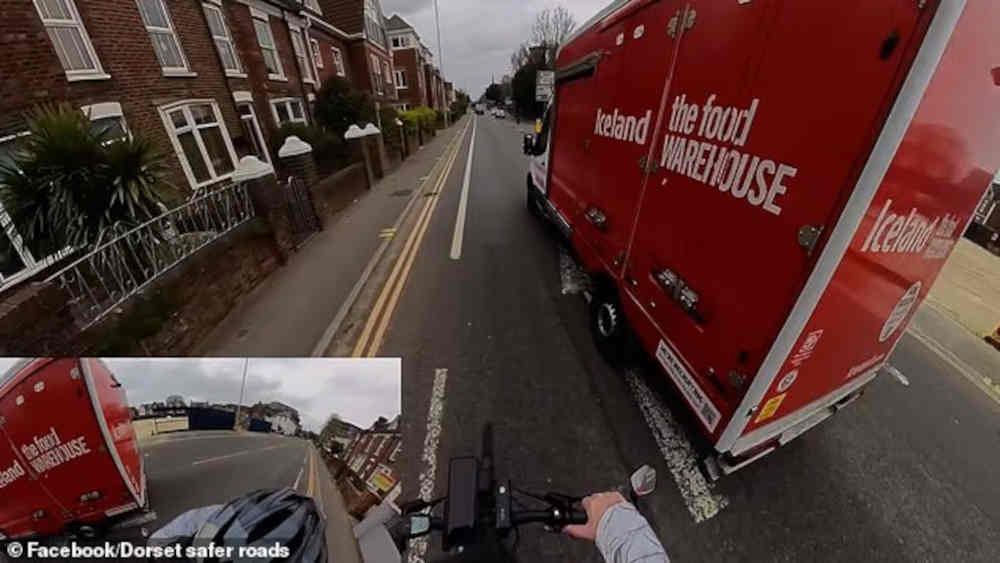
The article’s treatment of the road layout was similarly distorted. It repeatedly emphasised that Chapmanlaw was “riding outside the bike lane”, implying that he was doing something improper. The lane in question was advisory, marked with broken white lines. Under Highway Code Rule 61, cyclists are not required to use cycle lanes. The rule states that cyclists “may use” them, not that they must. The Mail did not explain this, leaving readers with the false impression that the cyclist was ignoring a mandatory facility.
The legal position on the overtake was also underplayed. Chapmanlaw referred the driver to Highway Code Rule 163, which requires drivers to give cyclists at least 1.5 metres when overtaking at speeds up to 30mph. The cyclist stated that he was able to touch the van as it passed, indicating a close pass. The Mail quoted the rule but did not explain its significance, nor did it make clear that the cyclist’s interpretation of the rule was correct. Instead, the article treated the exchange as a “comical” argument.
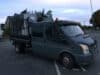
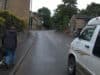
The sequence of events described in the article shows that the driver overtook at close proximity, then stopped on double yellow lines, exited his vehicle and approached the cyclist. Parking on double yellow lines without exemption is prohibited under the Traffic Signs Regulations and General Directions, and obstructing the pavement can endanger pedestrians. The Mail mentioned these details but did not examine them. Instead, it focused on the cyclist’s tone and repeated a personal remark made by the driver about whether the cyclist could “fit” in the lane. Including that remark added nothing to the reader’s understanding of the law; its effect was to ridicule the cyclist.
The article also framed the cyclist as the aggressor, despite the driver being the one who stopped, parked illegally and initiated the face‑to‑face confrontation. The Mail’s broader narrative suggested that Chapmanlaw “pursues motorists” and “escalates spats”, even though the incident described shows the opposite dynamic.
Throughout the piece, the Mail relied on conflict‑based language such as “war on motorists” and “crusade”. This framing encourages readers to see cyclists and drivers as opposing groups rather than road users with different levels of physical protection but equal rights to the road. It also obscures the fact that the Highway Code places clear responsibilities on drivers when overtaking vulnerable road users.
The article concluded with the question “so who’s right?”, but by that point, the framing had already directed readers towards a particular answer. A genuine examination of the issue would have explained that advisory cycle lanes are optional under Rule 61, that Rule 163 sets out a minimum overtaking distance, and that reporting close passes is a lawful and routine part of road‑safety enforcement.
By prioritising ridicule, omitting key legal context and presenting editorial opinions as fact, the Daily Mail article misrepresented both the incident and the responsibilities of road users. A neutral account would have made clear that the cyclist was riding lawfully, that the overtake appeared to be too close under Rule 163, and that the driver initiated the confrontation after stopping on double yellow lines. Instead, the Mail constructed a narrative in which lawful behaviour appeared provocative, and the driver’s actions were minimised.